Tallenna
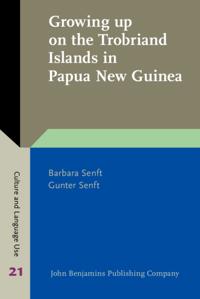
Growing up on the Trobriand Islands in Papua New Guinea
Lue Adobe DRM-yhteensopivassa e-kirjojen lukuohjelmassaTämä e-kirja on kopiosuojattu Adobe DRM:llä, mikä vaikuttaa siihen, millä alustalla voit lukea kirjaa. Lue lisää
This volume deals with the children's socialization on the Trobriands. After a survey of ethnographic studies on childhood, the book zooms in on indigenous ideas of conception and birth-giving, the children's early development, their integration into playgroups, their games and their education within their `own little community' until they reach the age of seven years. During this time children enjoy much autonomy and independence. Attempts of parental education are confined to a minimum. However, parents use subtle means to raise their children. Educational ideologies are manifest in narratives and in speeches addressed to children. They provide guidelines for their integration into the Trobrianders' "e;balanced society"e; which is characterized by cooperation and competition. It does not allow individual accumulation of wealth - surplus property gained has to be redistributed - but it values the fame acquired by individuals in competitive rituals. Fame is not regarded as threatening the balance of their society.
- Alaotsikko
- Childhood and educational ideologies in Tauwema
- Kirjailija
- Senft Gunter Senft, Senft Barbara Senft
- ISBN
- 9789027264107
- Kieli
- englanti
- Julkaisupäivä
- 22.5.2018
- Kustantaja
- JOHN BENJAMINS PUBLISHING COMPANY
- Formaatti
- Epub - Adobe DRM
- Lue e-kirjoja täällä
- Lue e-kirja mobiililaitteella/tabletilla
- Lukulaite
- Tietokone







