Tallenna
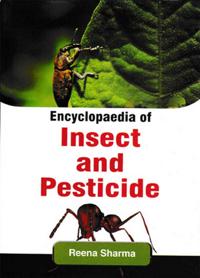
Encyclopaedia Of Insect And Pesticide
Lue Adobe DRM-yhteensopivassa e-kirjojen lukuohjelmassaTämä e-kirja on kopiosuojattu Adobe DRM:llä, mikä vaikuttaa siihen, millä alustalla voit lukea kirjaa. Lue lisää
Since before 20 BCE, humans have utilized pesticides to protect their crops. The first known pesticide was elemental sulfur dusting used in ancient Summer about 4,500 years ago in ancient Mesopotamia. By the 1Sth century, toxic chemicals such as arsenic, mercury and lead were being applied to crops to kill pests. in the 17th century, nicotine sulfate was extracted from tobacco leaves for use as an insecticide. The 19th century saw the introduction of two more natural pesticides, pyrethrum, which is derived from chrysanthemums, and rotenone, which is derived from the roots of tropical vegetables. Until the 1950s, arsenic-based pesticides were dominant. Paul Muller discovered that DDT was a very effective insecticide. Organ chlorines such as DDT were dominant, but they were replaced in the U.S. by organophosphates and carbamates by 1975. Since then, pyrethrin compounds have become the dominant insecticide. The book will be of immense help to research scholars, environmentalists and agriculturists to ensure an eco-friendly world. Contents: introduction; Pesticides and Health; Controlling Diseases and in sects in Home Fruit Plantings; Prospects for Using Transgenic Resistance to lnsects in Crop improvement; Managing Pesticide Resistance; Pesticide Storage, Handling, and Application; Personal Protective Equipment for Pesticide Work; Toxicity of pesticides; Environmental Effects of Pesticides; pesticides as water pollutants.
- Kirjailija
- Reena Sharma
- ISBN
- 9789390321919
- Kieli
- englanti
- Julkaisupäivä
- 30.6.2010
- Kustantaja
- Anmol Publications PVT. LTD.
- Formaatti
- Epub - Adobe DRM
- Lue e-kirjoja täällä
- Lue e-kirja mobiililaitteella/tabletilla
- Lukulaite
- Tietokone







