Tallenna
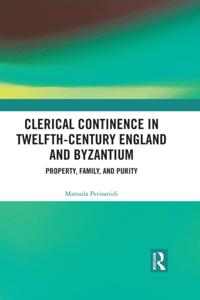
Clerical Continence in Twelfth-Century England and Byzantium
Lue Adobe DRM-yhteensopivassa e-kirjojen lukuohjelmassaTämä e-kirja on kopiosuojattu Adobe DRM:llä, mikä vaikuttaa siihen, millä alustalla voit lukea kirjaa. Lue lisää
Why did the medieval West condemn clerical marriage as an abomination while the Byzantine Church affirmed its sanctifying nature? This book brings together ecclesiastical, legal, social, and cultural history in order to examine how Byzantine and Western medieval ecclesiastics made sense of their different rules of clerical continence. Western ecclesiastics condemned clerical marriage for three key reasons: married clerics could alienate ecclesiastical property for the sake of their families; they could secure careers in the Church for their sons, restricting ecclesiastical positions and lands to specific families; and they could pollute the sacred by officiating after having had sex with their wives. A comparative study shows that these offending risk factors were absent in twelfth-century Byzantium: clerics below the episcopate did not have enough access to ecclesiastical resources to put the Church at financial risk; clerical dynasties were understood within a wider frame of valued friendship networks; and sex within clerical marriage was never called impure in canon law, as there was little drive to use pollution discourses to separate clergy and laity. These facts are symptomatic of a much wider difference between West and East, impinging on ideas about social order, moral authority, and reform.
- Alaotsikko
- Property, Family, and Purity
- Kirjailija
- Maroula Perisanidi
- ISBN
- 9781351024617
- Kieli
- englanti
- Julkaisupäivä
- 6.7.2018
- Kustantaja
- TAYLOR FRANCIS
- Formaatti
- PDF - Adobe DRM
- Lue e-kirjoja täällä
- Lue e-kirja mobiililaitteella/tabletilla
- Lukulaite
- Tietokone