Spara
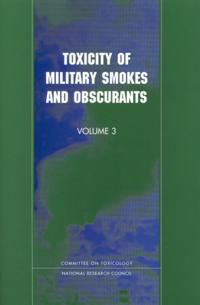
Toxicity of Military Smokes and Obscurants
e-bok, 1999
Engelska

Läs i Adobe DRM-kompatibel e-boksläsareDen här e-boken är kopieringsskyddad med Adobe DRM vilket påverkar var du kan läsa den. Läs mer
A variety of smokes and obscurants have been developed and used to screen armed forces from view, signal friendly forces, and mark positions. Smokes are produced by burning or vaporizing particular products. Obscurants are anthropogenic or naturally occurring particles suspended in the air. They block or weaken transmission of particular parts of the electromagnetic spectrum, such as visible and infrared radiation or microwaves. Fog, mist, and dust are examples of natural obscurants. White phosphorus and hexachloroethane smokes are examples of anthropogenic obscurants.The U.S. Army seeks to reduce the likelihood that exposure to smokes and obscurants during training would have adverse health effects on military personnel or civilians. To protect the health of exposed individuals, the Office of the Army Surgeon General requested that the National Research Council (NRC) independently review data on the toxicity of smokes and obscurants and recommend exposure guidance levels for military personnel in training and for the general public residing or working near military-training facilities.
- Undertitel
- Volume 3
- Författare
- Commission on Life Sciences, Division on Earth and Life Studies, Subcommittee on Military Smokes and Obscurants, National Research Council
- ISBN
- 9780309593618
- Språk
- Engelska
- Utgivningsdatum
- 1999-09-24
- Förlag
- National Academies Press
- Tillgängliga elektroniska format
- PDF - Adobe DRM
- Läs e-boken här
- E-boksläsare i mobil/surfplatta
- Läsplatta
- Dator







