Spara
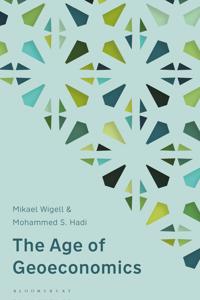
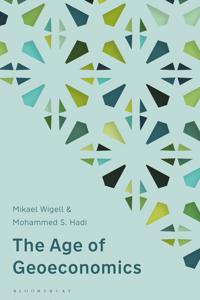
The Age of Geoeconomics

Since the 1970s, market economics - which is concerned with opening markets for international trade and finance - has been guiding policymaking in many states, with the focus being on giving market actors a free reign in deciding where economic activity takes place. As a result, corporations have been globalizing their supply chains to take advantage of specialization and maximize efficiency, giving rise to a deepening economic interdependence across the globe.
Governments and policymakers took a benign view of this deepening interdependence for both economic and political reasons. Economically, interdependence was assumed to foster synergies and economies of scale, maximising gains for states by increasing efficiency within and across their economies. Politically, interdependence was assumed to incentivise cooperation and constrain conflicts between states.
Western governments and policymakers, in particular, believed that growing interdependence would encourage states to abandon power politics in favour of cooperation and integration into the liberal world order and global marketplace, benefitting the countries involved proportionally to their participation. However, The Age of Geoeconomics argues that this prevailing view has now been broken.
It powerfully explains how market economics is being supplanted by geoeconomics. Geoeconomics refers to the way in which countries use economic tools—trade, investments, financial policies and penalties, such as tariffs and sanctions—to achieve political or strategic goals. Instead of using military power, countries compete and influence each other through economic means.
The Age of Geoeconomics skilfully outlines ways in which governments may choose to impose trade restrictions such as tariffs to pressure other governments, invest in infrastructure projects to gain influence, or use control over key resources (like oil or rare minerals) as leverage in international negotiations.
This very timely book assesses the re-shaping of the economic world-order following the US election, including an analysis of 'MAGAnomics'.
- Undertitel
- How the Logic of International Economics and Politics is Changing
- Författare
- Mikael Wigell, Mohammed S. Hadi
- ISBN
- 9781350583023
- Vikt
- 446 gram
- Utgivningsdatum
- 2026-11-12
- Sidor
- 376