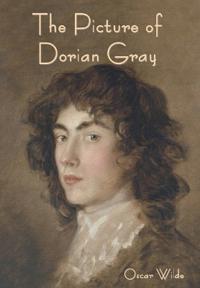
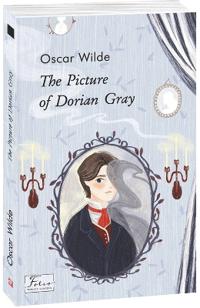
Picture of Dorian Gray
Författare:
E-bok, 2024
engelska
12 kr

Spara till önskelista
"The Picture of Dorian Gray" is a novel written by Oscar Wilde, first published in 1890. It's considered one of Wilde's most famous works and a classic of English literature. The novel tells the story of Dorian Gray, a handsome and wealthy young man who becomes the subject of a portrait painted by the artist Basil Hallward.
As the novel begins, Dorian is introduced to the hedonistic lifestyle of London's high society by his friend Lord Henry Wotton, who espouses a philosophy of pleasure and aestheticism. Dorian becomes increasingly infatuated with his own beauty and youth, expressing a desire for eternal youth and beauty. In a moment of vanity and impulsiveness, he makes a wish that the portrait would age instead of him, allowing him to retain his youthful appearance while the portrait bears the effects of his sins and moral decay.
As Dorian indulges in a life of debauchery and excess, his portrait begins to reflect the consequences of his actions, becoming increasingly grotesque and corrupted while Dorian himself remains outwardly youthful and unblemished. The novel explores themes of vanity, morality, and the corrupting influence of aestheticism, as well as the nature of art and the consequences of pursuing beauty at any cost.
"The Picture of Dorian Gray" scandalized Victorian society upon its publication due to its themes of decadence, immorality, and homoeroticism. Wilde's lush prose, witty dialogue, and sharp social commentary have made the novel a enduring classic of English literature, revered for its exploration of timeless themes and its biting satire of Victorian society.
The novel has been adapted into numerous stage plays, films, and television productions, and it continues to captivate readers with its provocative themes and enduring relevance.
As the novel begins, Dorian is introduced to the hedonistic lifestyle of London's high society by his friend Lord Henry Wotton, who espouses a philosophy of pleasure and aestheticism. Dorian becomes increasingly infatuated with his own beauty and youth, expressing a desire for eternal youth and beauty. In a moment of vanity and impulsiveness, he makes a wish that the portrait would age instead of him, allowing him to retain his youthful appearance while the portrait bears the effects of his sins and moral decay.
As Dorian indulges in a life of debauchery and excess, his portrait begins to reflect the consequences of his actions, becoming increasingly grotesque and corrupted while Dorian himself remains outwardly youthful and unblemished. The novel explores themes of vanity, morality, and the corrupting influence of aestheticism, as well as the nature of art and the consequences of pursuing beauty at any cost.
"The Picture of Dorian Gray" scandalized Victorian society upon its publication due to its themes of decadence, immorality, and homoeroticism. Wilde's lush prose, witty dialogue, and sharp social commentary have made the novel a enduring classic of English literature, revered for its exploration of timeless themes and its biting satire of Victorian society.
The novel has been adapted into numerous stage plays, films, and television productions, and it continues to captivate readers with its provocative themes and enduring relevance.
- Författare
- Oscar Wilde
- ISBN
- 9789361443428
- Språk
- engelska
- Utgivningsdatum
- 2024-08-24
- Förlag
- Neelkanth Prakashan