Spara
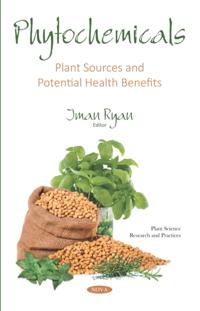
Phytochemicals: Plant Sources and Potential Health Benefits
e-bok, 2019
Engelska

Läs i Adobe DRM-kompatibel e-boksläsareDen här e-boken är kopieringsskyddad med Adobe DRM vilket påverkar var du kan läsa den. Läs mer
The opening chapter of Phytochemicals: Plant Sources and Potential Health Benefits discusses macronutrients and micronutrients from plants along with their benefits to human health. An overview of the mechanisms of action underlying the potential roles of dietary soybean isoflavones including daidzein, genistein, and equol that may have benefits in dyslipidemia, ischemic heart disease, blood pressure, diabetes, cancer, and osteoporosis is discussed in the nextchapter. In one study, the authors seek to scientifically validate the hypoglycaemic effects of crude aqueous extracts from Vitex payos fruits on both normal and alloxan-induced diabetic rats. Additionally, the authors discuss the literature results obtained in the identification and quantification of rosmarinic acid and its derivatives in Lamiaceae family plants, as well as explore recent advances in the nanoencapsulation of rosmarinic acid. This compilation goes on to report several aspects of the chemical composition and biological activity of species of Smilax found in Brazil. Smilax fluminensis is a dioecious liana with a great capacity for shoot formation in soil and primary branch formation in subsoil. As such, phytochemical studies on this plant are reviewed. Phytochemical aspects and biological activities of the species S. brasiliensis are also examined. To continue the discussion, the authors investigate the allelopathic, cytotoxic, genotoxic and larvicidal potential of methanol and petroleum ether extracts from S. brasiliensis leaves, as well as the effects of their fatty acids and methyl esters. Furthermore, the authors synthesize phytochemical aspects and biological activity of Tecoma stans (L.) species. In the penultimate chapter, the authors discuss P. venusta, and the way in which compounds obtained from this plant can be used as functional foods, drugs or precursors for the semi-synthesis of drugs. The objective of the concluding chapter is to present the ethnopharmacological, biological activities and phytochemical aspects of the Limoniastrum feei species growing in the Algerian Sahara.
- Redaktör
- Iman Ryan
- ISBN
- 9781536154795
- Språk
- Engelska
- Utgivningsdatum
- 2019-04-18
- Tillgängliga elektroniska format
- PDF - Adobe DRM
- Läs e-boken här
- E-boksläsare i mobil/surfplatta
- Läsplatta
- Dator