Spara
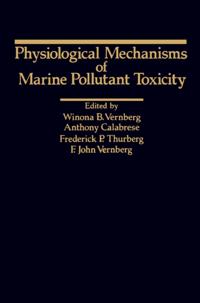
Physiological Mechanisms Of Marine Pollutant Toxicity
e-bok, 2012
Engelska

Läs i Adobe DRM-kompatibel e-boksläsareDen här e-boken är kopieringsskyddad med Adobe DRM vilket påverkar var du kan läsa den. Läs mer
Physiological Mechanisms of Marine Pollutant Toxicity contains the proceedings of a symposium on "e;"e;Pollution and Marine Organisms"e;"e; held at the University of South Carolina in Columbia, South Carolina, on November 30 to December 3, 1981. It explores the effects of pollutants, such as petroleum hydrocarbons, heavy metals, and pesticides, on the physiology of marine organisms, along with the functional aspects of detoxification and the environmental health implications of pollution. Organized into three sections encompassing 24 chapters, this volume begins with a discussion of subcellular accumulation and detoxification of metals in aquatic animals such as fishes, crabs, and polychaetes. The reader is then introduced to the physiological mechanisms of pollutant toxicity, including the sublethal effects of pollutants on the gill morphology of the scallop, Placopecten magellanicus; mechanisms underlying the tolerance of killifish embryos to heavy metals; increased sensitivity of smolts in seawater to petroleum hydrocarbons, such as toluene and naphthalene; and physiological effects of sublethal concentrations of benzene and dimethylnaphthalene on blue crab juveniles. The book concludes by outlining research directions for linking cause and effect concerning pollution and marine organisms. This book will be a valuable resource for marine scientists, ecologists, and students.
- Redaktör
- Winona Vernberg
- ISBN
- 9780323145404
- Språk
- Engelska
- Utgivningsdatum
- 2012-12-02
- Förlag
- ELSEVIER SCIENCE
- Tillgängliga elektroniska format
- PDF - Adobe DRM
- Läs e-boken här
- E-boksläsare i mobil/surfplatta
- Läsplatta
- Dator