Spara
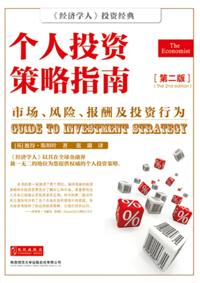
Personal Investment Strategy Guide (2nd Edition)

Läs i Adobe DRM-kompatibel e-boksläsareDen här e-boken är kopieringsskyddad med Adobe DRM vilket påverkar var du kan läsa den. Läs mer
Personal Investment Strategy Guide (2nd Edition) is based on detailed analysis, outlines how individual investors should make appropriate investment strategy arrangements. While emphasizing the importance of behavioral analysis and traditional financial principles, this book also explores new developments in investor goals and habitual errors. As complex investment ideas became popular, the first edition of Personal Investment Strategy Guide emphasized the importance of traditional investment strategies "e;keep it simple"e;. It believes that the government has played a benchmark role in risk management, and proposed to pay attention to the potential liquidity risks generated after the investment becomes complex, while revealing the risks inherent in hedge fund strategies with lower volatility. The second edition has undergone in-depth about content revisions and extensions, and has updated a large number of charts, but its theme has not changed: most investors are for long-term savings rather than short-term investments, so the government provides investors instead of cash, stocks are not just risky assets to get returns; alternative investments are more complex and opaque, and investment techniques to explore investment opportunities are also rare.
- Författare
- Peter Stayer
- ISBN
- 9787561354018
- Språk
- Kinesiska
- Utgivningsdatum
- 2011-01-01
- Förlag
- CNPeReading
- Tillgängliga elektroniska format
- Epub - Adobe DRM
- Läs e-boken här
- E-boksläsare i mobil/surfplatta
- Läsplatta
- Dator







