Spara
Lessons Learned From The Use Of The Machine Gun During The Russo-Japanese War

Läs i Adobe DRM-kompatibel e-boksläsareDen här e-boken är kopieringsskyddad med Adobe DRM vilket påverkar var du kan läsa den. Läs mer
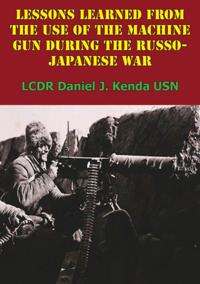
Dr. Richard Gatling invented the world's first practical machine gun in 1862. Between that weapon and subsequent improved designs, the world's armies had roughly 50 years to adopt the machine gun and perfect its employment before it helped wreak the carnage of World War I. However, for some reason or combination of reasons, none of the armies of the day saw fit to do so. This thesis explores the potential explanations behind this phenomenon by using the Russo-Japanese War as a case study. The Russo-Japanese War should have demonstrated to the world how the machine gun fundamentally altered the conduct of land warfare, especially since the major world powers all sent military observers to report on the war's events. This thesis will show, however, that because of a complex combination of the prevalent military tactical culture, bureaucratic pragmatism and logistical concerns, the five major protagonist armies of World War I generally failed to apply the lessons they learned about machine-gun employment from the Russo-Japanese War and as a result were completely surprised by the weapon's impact on the battlefield ten years later.
- Författare
- LCDR Daniel J. Kenda
- ISBN
- 9781782896685
- Språk
- Engelska
- Utgivningsdatum
- 2014-08-15
- Tillgängliga elektroniska format
- Epub - Adobe DRM
- Läs e-boken här
- E-boksläsare i mobil/surfplatta
- Läsplatta
- Dator