Spara
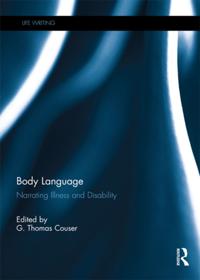
Body Language
e-bok, 2019
Engelska

Läs i Adobe DRM-kompatibel e-boksläsareDen här e-boken är kopieringsskyddad med Adobe DRM vilket påverkar var du kan läsa den. Läs mer
As much as we may like to evade them, illness and disability inescapably attend human embodiment - we are all vulnerable subjects. So it might seem natural and inevitable that the most universal, most democratic, form of literature - autobiography - should address these common features of human experience. Yet for the most part, autobiographical writing expressive of illness and disability remained quite uncommon until the second half of the twentieth century, when it flourished concurrently with successive civil rights movements. Women's liberation, with its signature manifesto Our Bodies Ourselves, supported the breast cancer narrative; the gay rights movement encouraged AIDS narrative in response to a deadly epidemic; and the disability rights movement stimulated a surge in narratives of various disabilities. Conversely, the narratives helped to advance the respective rights movements. Such writing, then, has been representative in two senses of the term: aesthetic (mimetic) and political (acting on behalf of). It has done, and continues to do, important cultural work. This volume explores this phenomenon using the latest critical theories and from the perspectives of patients and creative writers as well as academics. It attends to the problematic intersection of trauma and disability; it encompasses graphic narratives, essays, and diaries, as well as full-length memoirs; and it examines the ethical as well as the aesthetic dimensions of narrative. This book was originally published as a special issue of Life Writing.
- Undertitel
- Narrating illness and disability
- Redaktör
- G. Couser
- ISBN
- 9781315531243
- Språk
- Engelska
- Utgivningsdatum
- 2019-04-17
- Förlag
- TAYLOR FRANCIS
- Tillgängliga elektroniska format
- PDF - Adobe DRM
- Läs e-boken här
- E-boksläsare i mobil/surfplatta
- Läsplatta
- Dator







