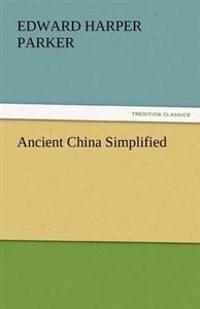
Ancient China Simplified
E-bok, 2025
engelska
10 kr

Spara till önskelista
Läs i Adobe DRM-kompatibel e-boksläsareDen här e-boken är kopieringsskyddad med Adobe DRM vilket påverkar var du kan läsa den. Läs mer
Ancient China simplified explores the early formation of a vast civilization shaped by changing political structures, evolving cultural practices, and enduring geographic influences. The text reflects on how fragmented territories gradually interacted to form a recognizable social framework, showing how shifting alliances and regional power centers influenced the direction of early governance. It considers how historical understanding depends on piecing together limited records to identify patterns that reveal how communities adapted to conflict, migration, and expanding communication networks. The work presents the idea that major developments are better understood through long term movements rather than individual leadership, encouraging reflection on how collective efforts shaped social organization. It also highlights how geography guided settlement, cooperation, and rivalry, illustrating the role of terrain in shaping trade, defense, and cultural exchange. Through this lens, the narrative positions ancient history as an interconnected process where structural changes, public sentiment, and the pursuit of stability determined the foundations of later society. The account encourages readers to see early history as a dynamic relationship between environment, tradition, and evolving political structures that influenced the growth of a complex civilization.
- Redaktör
- Edward Harper Parker
- ISBN
- 9789376806294
- Språk
- engelska
- Utgivningsdatum
- 2025-01-12
- Förlag
- Double9 Books
- Sidor
- 266
- Tillgängliga elektroniska format
- Epub - Adobe DRM
- Läs e-boken här
- E-boksläsare i mobil/surfplatta
- Läsplatta
- Dator