Spara
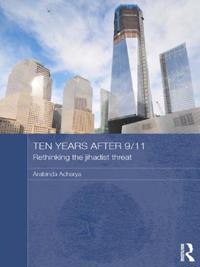
Ten Years After 9/11 - Rethinking the Jihadist Threat

Läs i Adobe DRM-kompatibel e-boksläsareDen här e-boken är kopieringsskyddad med Adobe DRM vilket påverkar var du kan läsa den. Läs mer
Ten years after the 9/11 attacks this book reassesses the effectiveness of the "e;War on Terror"e;, considers how al-Qaeda and other jihadist movements are faring, explores the impact of wider developments in the Islamic world such as the Arab Spring, and discusses whether all this suggests that a new approach to containing international, especially jihadist, terrorism is needed. Among the book's many richly argued conclusions are that the "e;War on Terror"e; and the invasions of Afghanistan and Iraq have brutalised the United States; that the jihadist threat is not one, but rather a wide range of separate, unconnected struggles; and that al-Qaeda's ideology contains the seeds of its own destruction, in that although many Muslims are content to see the United States worsted, they do not approve of al-Qaeda's violence and are not taken in by the jihadists' empty promises of utopia.
- Författare
- Arabinda Acharya
- ISBN
- 9781135079055
- Språk
- Engelska
- Utgivningsdatum
- 2013-03-05
- Förlag
- TAYLOR FRANCIS
- Tillgängliga elektroniska format
- PDF - Adobe DRM
- Läs e-boken här
- E-boksläsare i mobil/surfplatta
- Läsplatta
- Dator







