Spara
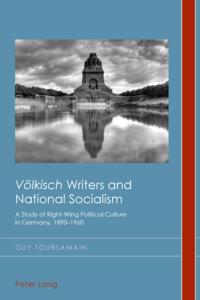
"e;Voelkisch"e; Writers and National Socialism

Läs i Adobe DRM-kompatibel e-boksläsareDen här e-boken är kopieringsskyddad med Adobe DRM vilket påverkar var du kan läsa den. Läs mer
This book provides a view of literary life under the Nazis, highlighting the ambiguities, rivalries and conflicts that determined the cultural climate of that period and beyond. Focusing on a group of writers - in particular, Hans Grimm, Erwin Guido Kolbenheyer, Wilhelm Schafer, Emil Strau, Borries Freiherr von Munchhausen and Rudolf Binding - it examines the continuities in volkisch-nationalist thought in Germany from c. 1890 into the post-war period and the ways in which volkisch-nationalists identified themselves in opposition to four successive German regimes: the Kaiserreich, the Weimar Republic, the Third Reich and the Federal Republic. Although their work predated Hitler's National Socialist movement, their contribution to preparing the cultural climate for the rise of Nazism ensured them continued prominence in the Third Reich. Those who survived into the post-war era continued to represent the volkisch-nationalist worldview in the West German public sphere, opposing both the Soviet and liberal-democratic models for Germany's future. While not uncontroversial, they were able to achieve significant publishing success, suggesting that a demand existed for their works among the German public, stimulating debate about the nature of the recent past and its effect on Germany's cultural and political identity and position in the world.
- Undertitel
- A Study of Right-Wing Political Culture in Germany, 1890-1960
- Författare
- Tourlamain Guy Tourlamain
- ISBN
- 9783035306354
- Språk
- Engelska
- Utgivningsdatum
- 2014-08-18
- Tillgängliga elektroniska format
- PDF - Adobe DRM
- Läs e-boken här
- E-boksläsare i mobil/surfplatta
- Läsplatta
- Dator







