Spara
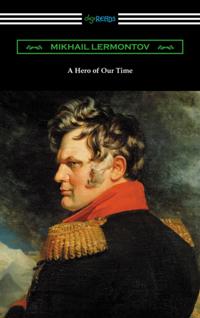
Hero of Our Time (with an Introduction by George Reavey)

Läs i Adobe DRM-kompatibel e-boksläsareDen här e-boken är kopieringsskyddad med Adobe DRM vilket påverkar var du kan läsa den. Läs mer
Mikhail Lermontov's pioneering psychological novel, "e;A Hero of Our Time"e;, is probably his most impactful work, one which influenced the works of other great Russian authors such as Dostoyevsky and Tolstoy. The novel's narrative is the story of Pechorin a young officer in the army whose story is told in five non-chronological parts. Drawing upon his own experiences in the military, Lermontov creates a fascinating anti-hero in Pechorin, a man who is intelligent, calculating, manipulative, emotionally unavailable, arrogant, cynical, nihilistic, yet also sensitive. The principal accomplishment of "e;A Hero of Our Time"e; is the introduction of the Byronic anti-hero to Russian literature, a departure from the traditional idealized protagonist of the Romantic period which signifies a pivotal move towards the realism of the Modernist literary movement. As Lermontov describes in his preface: "e;A Hero of Our Time, my dear readers, is indeed a portrait, but not of one man. It is a portrait built up of all our generation's vices in full bloom. You will again tell me that a human being cannot be so wicked, and I will reply that if you can believe in the existence of all the villains of tragedy and romance, why wouldn't believe that there was a Pechorin?"e; This edition includes an introduction by George Reavey and a biographical afterword.
- Författare
- Mikhail Lermontov
- ISBN
- 9781420951875
- Språk
- Engelska
- Utgivningsdatum
- 2015-11-17
- Förlag
- Neeland Media LLC
- Tillgängliga elektroniska format
- Epub - Adobe DRM
- Läs e-boken här
- E-boksläsare i mobil/surfplatta
- Läsplatta
- Dator







