Spara
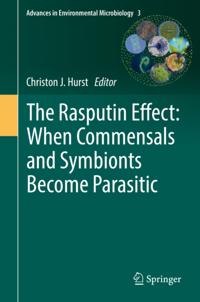
Rasputin Effect: When Commensals and Symbionts Become Parasitic
e-bok, 2016
Engelska
Läs i Adobe DRM-kompatibel e-boksläsareDen här e-boken är kopieringsskyddad med Adobe DRM vilket påverkar var du kan läsa den. Läs mer
This volume focuses on those instances when benign and even beneficial relationships between microbes and their hosts opportunistically change and become detrimental toward the host. It examines the triggering events which can factor into these changes, such as reduction in the host's capacity for mounting an effective defensive response due to nutritional deprivation, coinfections and seemingly subtle environmental influences like the amounts of sunlight, temperature, and either water or air quality. The effects of environmental changes can be compounded when they necessitate a physical relocation of species, in turn changing the probability of encounter between microbe and host. The change also can result when pathogens, including virus species, either have modified the opportunist or attacked the host's protective natural microflora. The authors discuss these opportunistic interactions and assess their outcomes in both aquatic as well as terrestrial ecosystems, highlighting the impact on plant, invertebrate and vertebrate hosts.
- Redaktör
- Christon J. Hurst
- ISBN
- 9783319281704
- Språk
- Engelska
- Utgivningsdatum
- 2016-07-05
- Tillgängliga elektroniska format
- PDF - Adobe DRM
- Läs e-boken här
- E-boksläsare i mobil/surfplatta
- Läsplatta
- Dator