Spara
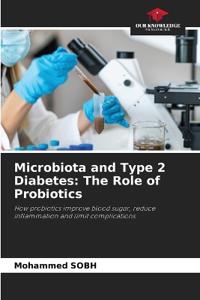
Microbiota and Type 2 Diabetes: The Role of Probiotics
Chronic exposure to pesticide residues, even at low doses, significantly disrupts the intestinal microbiota, leading to dysbiosis characterized by a >50% reduction in beneficial bacteria (Lactobacillus, Bifidobacterium) and a proliferation of pathogens (Escherichia/Shigella, Clostridium). This imbalance is accompanied by altered production of short-chain fatty acids, leading to increased intestinal permeability, systemic inflammation and metabolic disturbances. These mechanisms contribute to the development of chronic diseases (obesity, type 2 diabetes). This review analyzes the impact of pesticides on the microbiota and their pathological implications, highlighting the need for tighter regulation to safeguard public health.
- Undertitel
- How probiotics improve blood sugar, reduce inflammation and limit complications
- Författare
- Mohammed Sobh
- ISBN
- 9786200760821
- Språk
- Engelska
- Vikt
- 86 gram
- Utgivningsdatum
- 2025-07-01
- Förlag
- Our Knowledge Publishing
- Sidor
- 56