Spara
Medieval Adaptation, Settlement and Economy of a Coastal Wetland
Läs i Adobe DRM-kompatibel e-boksläsareDen här e-boken är kopieringsskyddad med Adobe DRM vilket påverkar var du kan läsa den. Läs mer
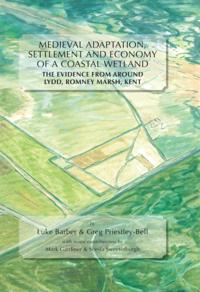
Romney Marsh is the largest coastal lowland on the south coast of England. Since 1991 excavations in advance of gravel extraction around Lydd on Romney Marsh, have uncovered large areas of medieval landscape, one of the largest to be exposed in southern England. Features uncovered include 12th-13th century drainage ditches, ditched field systems and sea defences. Also of particular significance is the identification of a series of occupation sites and their enclosures. The excavation of dispersed settlements is particularly difficult, because of the scale of work required to produce meaningful results. In this case it has been possible to work on sufficiently large areas to allow significant conclusions to be drawn. The excavations at Lydd Quarry have shown how dispersed settlement existed alongside the nucleated market settlements on Romney Marsh. This extensive report details the archaeological investigations of the field systems and occupation sites, finds and environmental material. There is also a section by Sheila Sweetinburgh on the documentary evidence. Two final chapters set out broader conclusions from the evidence for the field systems, settlements, and economy, and set the area in its wider context. The research has provided an unprecedented opportunity to study reclamation, occupation and economy of a large tract of marginal landscape through a considerable period of time.
- Undertitel
- The Evidence from Around Lydd, Romney Marsh, Kent
- ISBN
- 9781782974659
- Språk
- Engelska
- Utgivningsdatum
- 2008-10-08
- Förlag
- OXBOW BOOKS
- Tillgängliga elektroniska format
- PDF - Adobe DRM
- Läs e-boken här
- E-boksläsare i mobil/surfplatta
- Läsplatta
- Dator