Spara
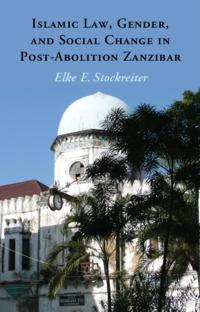
Islamic Law, Gender and Social Change in Post-Abolition Zanzibar
Läs i Adobe DRM-kompatibel e-boksläsareDen här e-boken är kopieringsskyddad med Adobe DRM vilket påverkar var du kan läsa den. Läs mer
After the abolition of slavery in 1897, Islamic courts in Zanzibar (East Africa) became central institutions where former slaves negotiated socioeconomic participation. By using difficult-to-read Islamic court records in Arabic, Elke E. Stockreiter reassesses the workings of these courts as well as gender and social relations in Zanzibar Town during British colonial rule (1890-1963). She shows how Muslim judges maintained their autonomy within the sphere of family law and describes how they helped advance the rights of women, ex-slaves, and other marginalised groups. As was common in other parts of the Muslim world, women usually had to buy their divorce. Thus, Muslim judges played important roles as litigants negotiated moving up the social hierarchy, with ethnicisation increasingly influencing all actors. Drawing on these previously unexplored sources, this study investigates how Muslim judges both mediated and generated discourses of inclusion and exclusion based on social status rather than gender.
- Författare
- Elke E. Stockreiter
- ISBN
- 9781316234556
- Språk
- Engelska
- Utgivningsdatum
- 2015-03-02
- Tillgängliga elektroniska format
- Epub - Adobe DRM
- Läs e-boken här
- E-boksläsare i mobil/surfplatta
- Läsplatta
- Dator