Spara
Dark Social Capital of Religious Radicals
Läs i Adobe DRM-kompatibel e-boksläsareDen här e-boken är kopieringsskyddad med Adobe DRM vilket påverkar var du kan läsa den. Läs mer
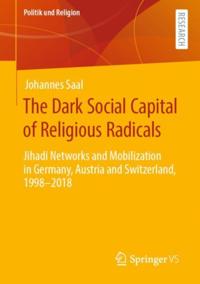
With the departure of European Muslims to the "e;Islamic State"e; and a wave of terrorist attacks in Europe in recent years, the questions of why and how individuals radicalize to Jihadi extremism attracted keen interest. This thesis examines how individuals radicalize by applying a theoretical framework that primarily refers to social capital theory, the economics of religion, and social movement theory. The analysis of the biographical backgrounds, pathways of radicalization, and network connections of more than 1,300 Jihadi extremists from Germany, Austria, and Switzerland shows that radicalization primarily need to be considered as a social process of isolation from former social contacts and affiliation with a new religious group. Radicalization is characterized by the transformation of social capital and often channeled through so-called "e;strong ties"e; to friends and family members. These peer networks constitute the social fundament of radical clusters on the local level which are usually linked to a broader milieu through exclusive mosque communities and religious authorities. Bonding social capital within these radical groups minimizes the risk of betrayal and promotes trust essential for clandestine and risky activities.
- Undertitel
- Jihadi Networks and Mobilization in Germany, Austria and Switzerland, 1998-2018
- Författare
- Johannes Saal
- ISBN
- 9783658328429
- Språk
- Engelska
- Utgivningsdatum
- 2021-05-04
- Tillgängliga elektroniska format
- Epub - Adobe DRM
- Läs e-boken här
- E-boksläsare i mobil/surfplatta
- Läsplatta
- Dator