Spara
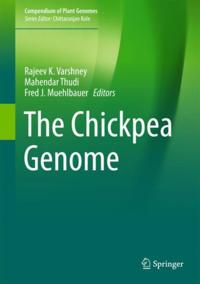
Chickpea Genome
e-bok, 2018
Engelska
Läs i Adobe DRM-kompatibel e-boksläsareDen här e-boken är kopieringsskyddad med Adobe DRM vilket påverkar var du kan läsa den. Läs mer
This book sheds new light on the chickpea genome sequencing and resequencing of chickpea germplasm lines and provides insights into classical genetics, cytogenetics, and trait mapping. It also offers an overview of the latest advances in genome sequencing and analysis. The growing human population, rapid climate changes and limited amounts of arable land are creating substantial challenges in connection with the availability and affordability of nutritious food for smallholder farmers in developing countries. In this context, climate smart crops are essential to alleviating the hunger of the millions of poor and undernourished people living in developing countries. In addition to cereals, grain legumes are an integral part of the human diet and provide sustainable income for smallholder farmers in the arid and semi-arid regions of the world. Among grain legumes, the chickpea (Cicer arietinum) is the second most important in terms of production and productivity. Besidesbeing a rich source of proteins, it can fix atmospheric nitrogen through symbiosis with rhizobia and increase the input of combined nitrogen. Several abiotic stresses like drought, heat, salinity, together with biotic stresses like Fusarium wilt, Ascochyta blight, and Botrytis grey mould have led to production losses, as the chickpeas is typically grown in the harsh climates of our planet's semi-arid regions.
- Redaktör
- Rajeev K. Varshney, Mahendar Thudi, Fred Muehlbauer
- ISBN
- 9783319661179
- Språk
- Engelska
- Utgivningsdatum
- 2018-01-02
- Tillgängliga elektroniska format
- Epub - Adobe DRM
- Läs e-boken här
- E-boksläsare i mobil/surfplatta
- Läsplatta
- Dator