Spara
Aesthetic Genesis

Läs i Adobe DRM-kompatibel e-boksläsareDen här e-boken är kopieringsskyddad med Adobe DRM vilket påverkar var du kan läsa den. Läs mer
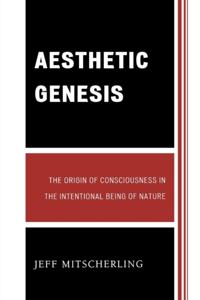
In Aesthetic Genesis, the author argues for a reversal of the most fundamental tenet of phenomenology-namely, that all consciousness is intentional (that is, directed toward an object). Mitscherling suggests, as a new "e;Copernican hypothesis,"e; that intentionality (i.e., directionality) gives rise to consciousness. This book describes not only the origin, or "e;genesis,"e; of human cognition in sensation, but also the genesis of sensation from intentional structures belonging to nature itself. A phenomenological examination of our experience leads to the conclusion that the two sorts of being generally recognized by contemporary science and philosophy-that is, material being and ideal being-prove ontologically inadequate to account for this experience. Mitscherling rehabilitates the pre-modern concepts of "e;intentional being"e; and "e;formal causality"e; and employs them in the construction of a comprehensive phenomenological analysis of embodiment, aesthetic experience, the interpretation of texts, moral behavior, and cognition in general.
- Undertitel
- The Origin of Consciousness in the Intentional Being of Nature
- Författare
- Jeff Mitscherling
- ISBN
- 9780761850229
- Språk
- Engelska
- Utgivningsdatum
- 2009-12-15
- Tillgängliga elektroniska format
- Epub - Adobe DRM
- Läs e-boken här
- E-boksläsare i mobil/surfplatta
- Läsplatta
- Dator







