Spar
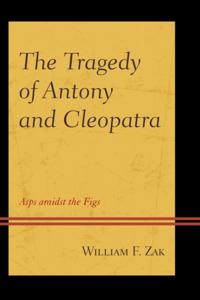
Tragedy of Antony and Cleopatra
Les i Adobe DRM-kompatibelt e-bokleserDenne e-boka er kopibeskyttet med Adobe DRM som påvirker hvor du kan lese den. Les mer
This revaluation of Shakespeare's most seductive tragedy, Antony and Cleopatra, allies itself with neither George Bernard Shaw and Philo's Roman judgment of the lovers as "e;strumpet and fool"e;-premised on the idle sensuality and feckless self-regard ever evident in the regal pair-nor with the many at the opposite critical pole who have found themselves swept up, to some extent at least, in the "e;grand illusion"e; of the lovers themselves as peerless figures transcending the very deaths to which Caesar's heartless predation drives them. Nor does it seek some middle way, settling into a comfortable agnosticism that claims the poet's view of the pair remains too ambiguous to resolve. Instead, by mining a wealth of metaphoric cross-references and ironical, mirroring figurations provided by the tragedy's subsidiary characterizations, this new analysis argues that Shakespeare's assessment of the lovers is in fact unambiguous: Antony and Cleopatra unknowingly settle for functioning merely as two more of the play's eunuchs fanning the flames of their self-destructive passions for one another when they could have realized the new heaven and new earth Antony promised his queen had their "e;intercourse"e; with one another been more vigorously complete. Not alone their deaths, but their entire experience is this play is but a search for "e;easy ways to die"e; rather than the quest is should have been to live more richly yet and generate new life beyond their respective notorieties as separate individuals to be celebrated.
- Undertittel
- Asps amidst the Figs
- Forfatter
- William F. Zak
- ISBN
- 9781498510370
- Språk
- Engelsk
- Utgivelsesdato
- 25.3.2015
- Tilgjengelige elektroniske format
- Epub - Adobe DRM
- Les e-boka her
- E-bokleser i mobil/nettbrett
- Lesebrett
- Datamaskin






